
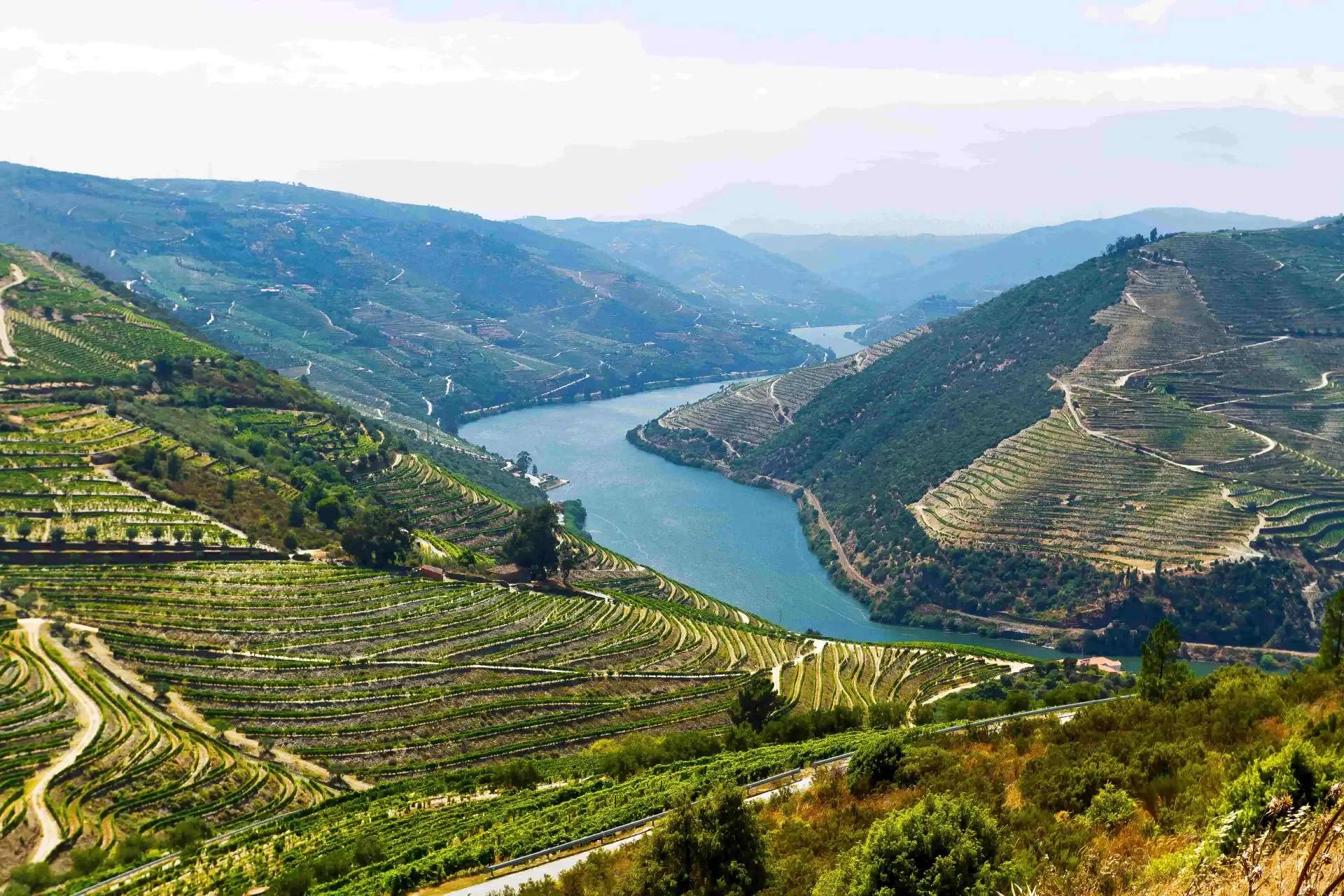
Wineries in Croatia
Book tastings, tours and unique experiences directly with 4,000+ wineries across 50+ countries.
Flexible planning for a stress-free journey.
Personalized recommendations from our wine experts.
Support producers who prioritize the planet.
39 wineries
Search results

Showing 1–39 of 39 wineries
Key facts about wineries in Croatia
- Red wine
- White wine
- Rosé wine
- Sparkling wine
- Sweet wine
Signature wines: Plavac mali Dingač · Malvazija istarska · Graševina · Pošip · Teran · Babić · Prošek
- January: Quiet season
- February: Quiet season
- March: Quiet season
- April: Best — mild, cellars open
- May: Best — mild, cellars open
- June: Best — mild, cellars open
- July: Peak — hot and busy
- August: Peak — hot and busy · Harvest
- September: Best — mild, cellars open · Harvest
- October: Best — mild, cellars open · Harvest
- November: Quiet season
- December: Quiet season
- Best — mild, cellars open
- Peak — hot and busy
- Quiet season
- Harvest · Berba
Tip: Coastal estates take walk-ins in summer but inland ones expect a call; the Dingač road is a narrow tunnel; expect EUR 10–25 tastings; many close on Sundays.
- Vrhunsko vino ZOI (PDO)
- Top quality wine with protected designation of origin, 100% from the ZOI area
- Kvalitetno vino ZOI (PDO)
- Quality wine, grapes and vinification wholly inside the ZOI
- ZOZP (PGI)
- 85% regional fruit; currently used only for an aromatised wine product
- Vino bez ZOI
- Wine without origin; variety and vintage optional
- Zagreb
- Plešivica, Zagorje-Međimurje, Moslavina
- Split
- Kaštela, Hvar, Pelješac
- Dubrovnik
- Pelješac (Dingač, Postup), Konavle
- Pula
- Istria (Motovun, Momjan, Buje)
- Osijek
- Baranja, Kutjevo, Ilok
- Zadar
- Primošten (Babić), northern Dalmatia
- Vineyard area
- 19,100 ha (2025)
- Grape varieties
- 134 indigenous of 258 cultivars on the National List
- Climate
- Continental inland (Slavonia, uplands); Mediterranean on Istria, Kvarner and Dalmatia
- Soils
- Loess in Slavonia, red terra rossa and flysch in Istria, karst limestone in Dalmatia
- Most wine from
- Slavonija i Hrvatsko Podunavlje · Središnja bregovita Hrvatska · Hrvatska Istra i Kvarner · Dalmacija
- Language
- Croatian
- Currency
- Euro
- Wine history
- Greek colonists planted Hvar in the 4th century BC; Tribidrag proved to be the parent of Zinfandel
- Suggested stay
- 3–4 days
- UNESCO wine landscapes
- Stari Grad Plain (2008)
Key figures and sources
| Fact | Value | Year | Source |
|---|---|---|---|
| Wine regions | 4 — winegrowing regions with 12 sub-regions (NN 76/2019) | 2019 | HR_PRAVILNIK |
| Appellations | 18 PDO — ZOI at EU level (16 by Accession Treaty + 2 later); no wine PGI | 2025 | HR_MINISTRY |
| Vineyard area | 19,100 ha | 2025 | HR_MINISTRY |
| Grape varieties | 134 indigenous — of 258 cultivars on the National List | 2025 | HR_MINISTRY |
Updated Sep 26, 2026Sources: HR_PRAVILNIK · HR_MINISTRY
Browse Wineries by Country





Plan your wine journey
Itineraries, primers and harvest reports — straight from our editors and hosts.

Price Range
Per person, before taxes
🌿 Organic
Languages
Wineries in Croatia are scattered around a vast land from the beautiful Adriatic sea to the giant Dinaric Alps. With the diverse terrain and weather, Croatia is a captivating destination for wine lovers.
Visiting wineries in Croatia is a great way to learn about the indigenous Croatian wines, pair them with delicious Croatian cuisine or explore the world-famous Istrian Truffle.
If you are planning to visit wineries in Croatia, you will have to carefully choose where to go first and start looking for the best region for you. There are plenty of gorgeous wineries in Croatia, spread all over each region. All wineries in Croatia have their own story to tell, winemaking techniques, and unique wines to offer their guests.
Frequently Asked Questions
How do I get to the wineries in Croatia?
By Air
To visit wineries in Croatia, a number of local airports are in your service:
1. Zagreb Airport is the most convenient option to fly in, if your wine tour starts in Croatian Uplands.
2. To travel in Istria and Kvarner wine region, you have 3 airports to choose from: Rijeka Airport, Portoroz Airport, or Pula Airport.
3. Nearest to the beautiful islands of Cres is the Losinj Airport.
4. To travel in the Dalmatia region and its appellations, fly into Zadar airport.
By Car
To visit wineries in Croatia driving is easy and convenient. On the toll roads you will come across some booths that function as entry or exit points. Other roads are toll-free and cover a wide area of the country.
To visit wineries in Croatia at the Danube Area, E-70 highway is in your service.
The same highway will bring you to the Croatian region from Serbia too.
The same E-70 highway will take you to Zagreb, to travel around the Croatian Uplands.
Also, from Zagreb E65 highway goes to Varazdin (Croatian Uplands).
E-65 highway will serve you to drive from Zagreb to Istria and enjoy some of the best wineries in Croatia.
If you follow E-65 along the Adriatic sea, you will arrive in Dalmatia wine region.
By train
To visit the wineries in Croatia, taking a train in between the wine regions is one of the most reasonable and fast ways to travel.
The train system in Croatia connects Zagreb to a number of local cities. The bad news is that Dubrovnik is not connected to the rest of the country by railway.
There are daily trains from Zagreb to:
1. Rijeka (Istria)
2. Split (Dalmatia)
3. Varazdin (Croatian Uplands)
4. Osijek (Danube)
You can buy the tickets online, or on the spot. For detailed schedules and prices click here.
Are there vineyards in Croatia?
There are some of the best vineyards in Croatia.
Due to the climate and moderate weather, Croatia is a great destination to grow vine.
Where is the best wine in Croatia?
In the Kutjevo appelation (in Croatian Uplands), some of the best wineries of Croatia produce the best Grasevina white wine.
Where are the best wineries in Croatia to taste red wine?
The wineries in Croatia, in Dalmatia wine regions, produce the best Plavac Mali - rich, red wine.
Where are the best wineries in Croatia to taste white wine?
Among the gorgeous wine regions in Croatia, Istria is proud to be best white wine producer.
Where are the best wineries in Croatia to taste sparkling wine?
Best sparkling wine, in the wineries of Croatia is produced in the Plešivica appelation (in Croatian Uplands).
Is Croatian wine good?
There are many gorgeous wineries in Croatia, that produce excellent, high-quality wines.
Which island in Croatia has the best wine?
Krk Island is often regarded as one of the top islands in Croatia for wine production. Known for its indigenous Žlahtina grape, Krk Island produces refreshing and aromatic white wines. The unique terroir, combined with the island's Mediterranean climate, contributes to the quality and distinctiveness of the wines. Wine enthusiasts visiting Krk Island can explore local wineries, taste Žlahtina wines, and enjoy the island's scenic beauty.
What is the wine capital of Croatia?
Zagreb is the wine capital of Croatia. The city boasts a thriving wine scene, with numerous wine bars, cellars, and festivals dedicated to showcasing Croatian wines. It serves as a gateway to the country's diverse wine regions and offers a convenient starting point for wine exploration.
Is wine expensive in Croatia?
Croatian wines are generally considered to be reasonably priced, offering good value for the quality. There is a wide range of wines available at various price points, making it possible to find affordable options as well as higher-end selections. Overall, Croatia is known for offering wines that are accessible and affordable compared to some other European countries.