Cabernet Franc
Andrii Savchenko
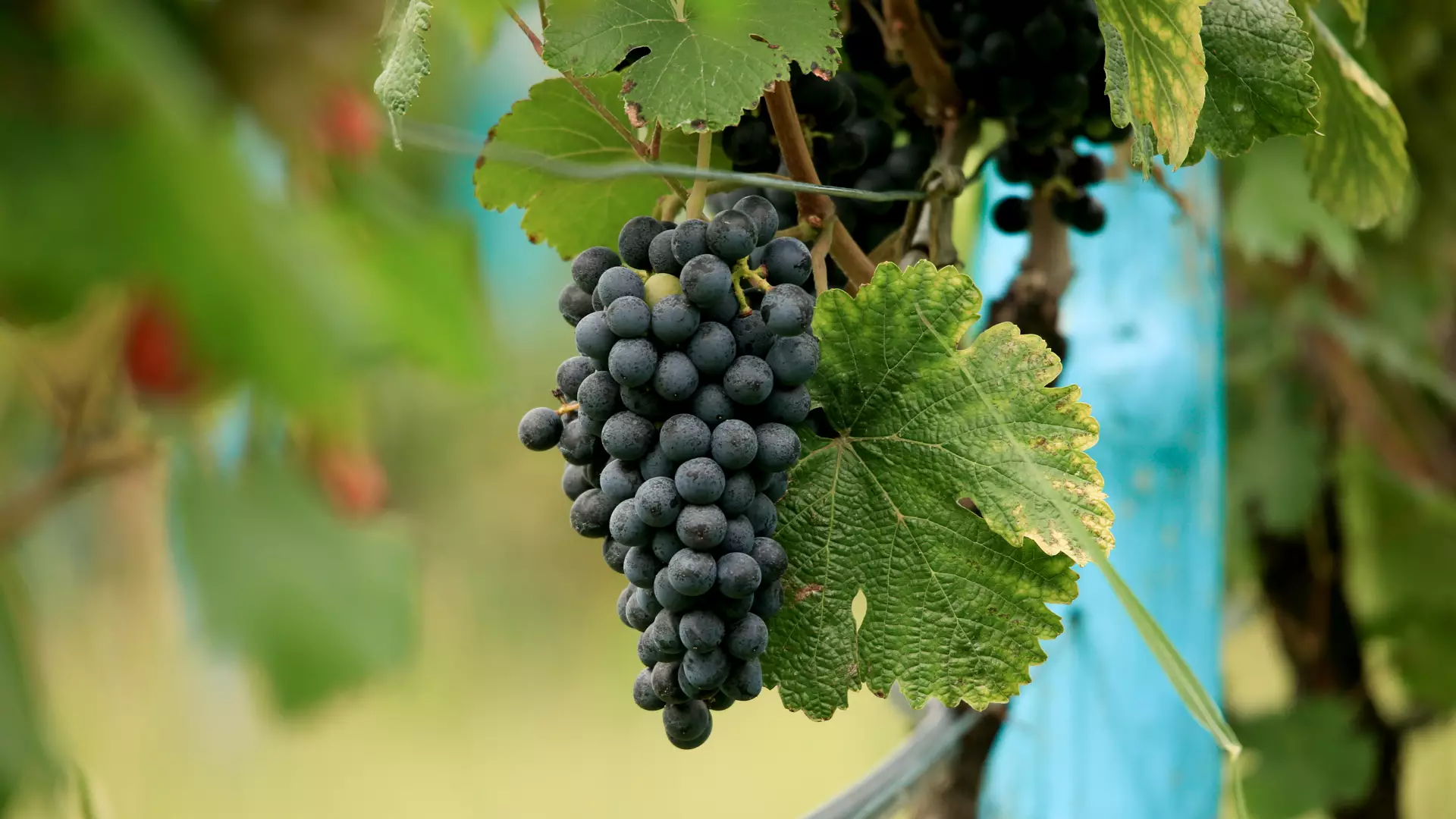
Cabernet Franc wine has medium body and good acidity. Thanks to its robustness, Cabernet Franc grape variety is well known for producing high quality wines. Cabernet Franc from cooler climates usually gives higher acidity, while wines from warmer zones give us sweet flavors such as strawberries and dried fruit. Cabernet Franc has a characteristic aroma of bell pepper that is usually easy to recognize. Cabernet Franc could be easily taken for Cabernet Sauvignon but with lower acidity and there is no surprise as they are actually closely related.

Where is Cabernet Franc from?
Cabernet Franc originates from France. Nowadays it is mostly widespread in the Bordeaux and Loire regions, followed by Italy (Tuscany, Friuli, Veneto) and the United States (Napa Valley, Central Coast, Columbia Valley, New York).
Interesting story about Cabernet Franc
The first information about Cabernet Franc dates back to the 17th century in Bordeaux region. But then the grape was called Bouchet and it is believed that Cabernet Franc originates from the Basque country - from its French part near the border with Spain. Cabernet Franc (together with Sauvignon Blanc) is known to be a parental varietal to Cabernet Sauvignon and Merlot. Another interesting fact is that Cabernet Franc's pepper aroma comes from a substance called methoxypyrazines, which is the plant's natural insect repellent.
Cabernet Franc grape characteristics
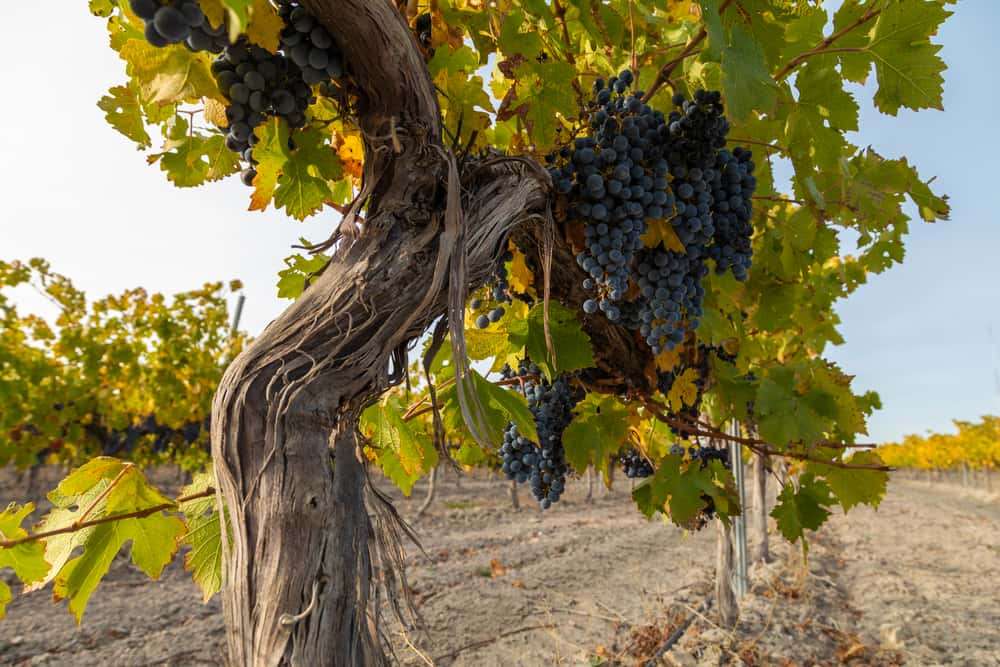
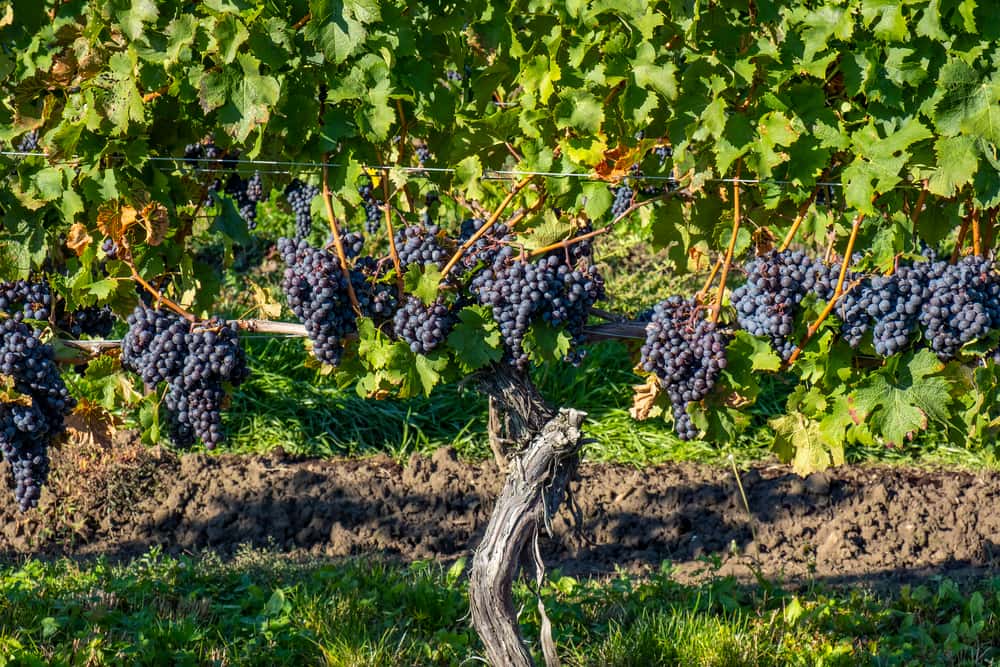
Cabernet Francs vines can easily adapt to different soils. Most importantly, they can thrive in sandy and calcareous soils. They also tolerate cooler climates, such as the one of the Loire Valley, which suit its relatively early maturation process. Depending on the area the grapes come from, we can find flavors and aromas such as bell pepper, strawberry, and chili.
Cabernet Franc Wines
Cabernet Franc grapes can be used to produce many wine styles, offering us everything from light red wines to rosé wines. Cabernet Franc in a blend with Merlot is among the most famous and highly valued wines in the world. The most interesting examples include wines from Pomerol and Saint Émilion regions with producers such as Château Pétrus, Château Ausone and Château Angélus. Also, Cabernet Franc is known to be one of the main red grape varitals of the Loire Valley.
What to pair with Cabernet Franc?

The roughness of the tannins and the refreshing acidity make it possible to pair Cabernet Franc wine with tomato-based dishes, such as pizza, or with grilled vegetables. A lighter styles of red wine, or even a rosé wine, is a good complement to light meats such as chicken or pork, while if we are talking about lamb or beef, a fuller Cabernet Franc would be the perfect choice to enjoy all the flavors till the last drop.
Where to find the best Cabernet Franc wines

Loire Valley
Here are some wineries in Loire Valley where you can taste the best Cabernet Franc wines:

Friuli
Here are some wineries in Friuli where you can taste the best Cabernet Franc wines:

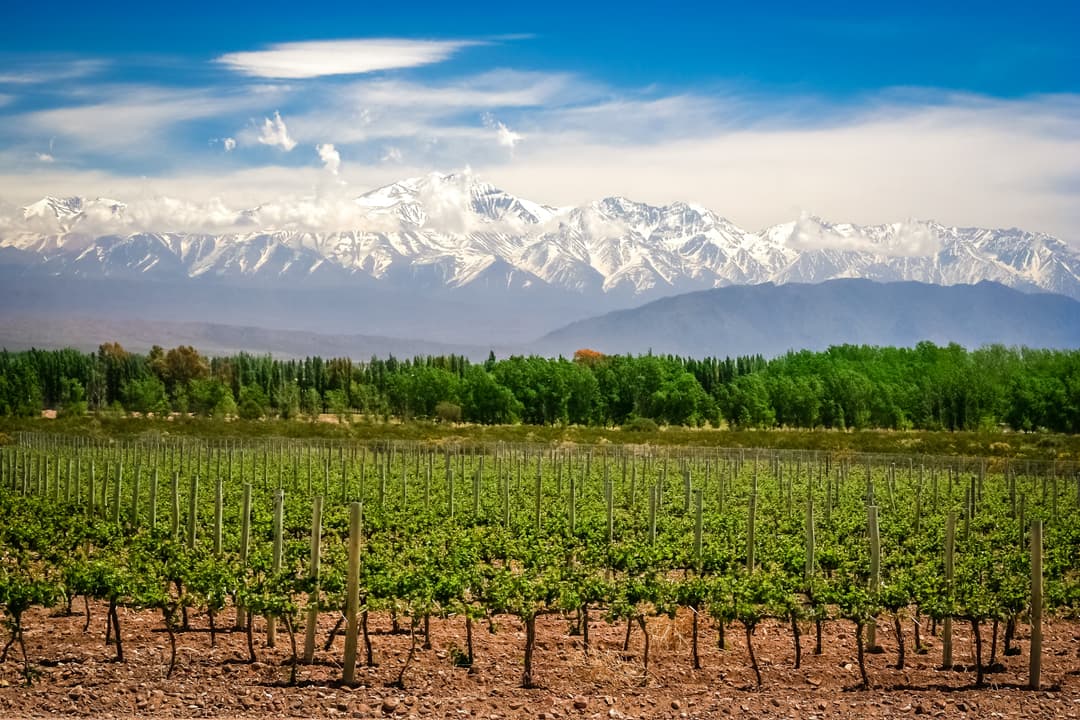
Mendoza
Here are some wineries in Mendoza where you can taste the best Cabernet Franc wines:
Frequently Asked Questions about Cabernet Franc
Research revealed that Cabernet Franc originates from the French part of the Basque country.
Cabernet Franc most notable descriptors include bell pepper, strawberry, and black cherry.
Some people might find Cabernet Franc wines similar to Pinot Noir wines. They both have good acidity, medium body and common descriptors such as raspberry or cherry. However, Cabernet Franc usually has more tannins and one can always recognise the wine by its characteristic pepper aroma.
Cabernet Franc is the third most grown grape varietal in Bordeaux after Merlot and Cabernet Sauvignon. Thus it is traditionally considered a part of Bordeaux blend.
Cabernet Franc has a lot in common with Cabernet Sauvignon and Carmenere as it is a parental grape variety to both of them. Also, it might be confused with Hondarribi Beltza (Basque country, Spain) or Bequignol Noir (France).
Cabernet Franc is known for its aromatic profile, often characterized by red fruit flavors such as cherry, raspberry, and currant. It can also exhibit herbal and spicy notes, including hints of green bell pepper, tobacco, and black pepper. The wine typically has medium to high acidity and moderate tannins, resulting in a balanced and elegant structure.
Cabernet Franc and Cabernet Sauvignon are two distinct grape varieties. While they share some similarities, Cabernet Franc tends to have lighter body and lower tannins compared to Cabernet Sauvignon. Cabernet Franc often exhibits more herbal and floral notes, with red fruit flavors and a softer, smoother profile, while Cabernet Sauvignon is typically bolder and more robust, with dark fruit flavors and firmer tannic structure.
Cabernet Franc can be relatively expensive due to several factors. Firstly, it is a grape variety that requires specific growing conditions and careful vineyard management, which can increase production costs. Additionally, Cabernet Franc is often used in premium Bordeaux blends, contributing to its prestige and higher price point. Finally, limited availability and high demand for well-made Cabernet Franc wines can also drive up prices in the market.
Cabernet Franc and Malbec are distinct grape varieties with different characteristics. While they can both be used in red blends, Cabernet Franc is known for its herbal and red fruit flavors, while Malbec is characterized by its dark fruit and robust tannins. They have unique profiles and are typically used to bring different qualities to a wine.
Cabernet Franc is a dry red wine with medium to full body and moderate tannins. It offers flavors of blackberry, raspberry, and bell pepper, making it a versatile choice for pairing with savory dishes.
Cabernet Franc pairs well with a variety of foods, particularly savory dishes. It complements grilled meats, roasted vegetables, and dishes with herbal and earthy flavors. Other suitable pairings include lamb, game meats, tomato-based dishes, and aged cheeses.

Written by